 11
11
The U.S. education system—from K-12 public schools to major universities—is undergoing significant changes in 2026. These changes come amid shifting federal and state priorities, policy decisions, evolving learning models, and financial pressures that will shape how millions of American students learn, graduate, and prepare for the future.
Whether you’re a parent, student, educator, or taxpayer, these developments will affect classroom experiences, college affordability, career pathways, and the broader educational landscape in the United States.
Here’s a comprehensive look at what’s changing and what it means for everyday Americans.
One of the biggest education shifts this year comes in student loans and financial aid.
Major updates include:
The result? Graduate students and families will need to rethink how to fund advanced degrees, often requiring earlier financial planning, alternative scholarships, employer support, or private loans.
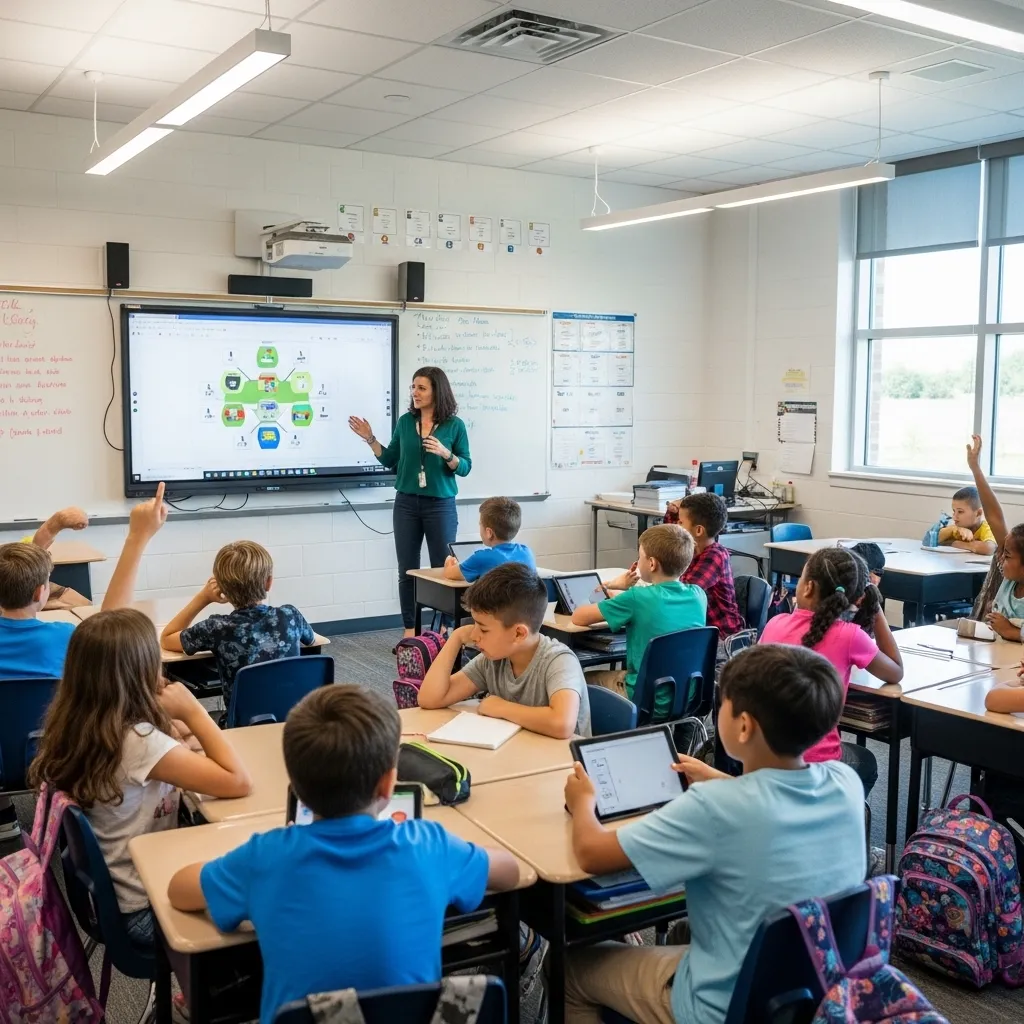
Across states, local school districts are redesigning how education is structured.
For example:
Similar reconfigurations are happening in other districts that have seen shifting enrollment, rising costs, or demographic change—reflecting a national conversation about how schools can best meet student needs while managing limited resources.
There’s also change happening at the intersection of education and taxes:
This policy is designed to expand school choice options for families and boost education funding flexibility, although its long-term effects depend on how states adopt the program.
The U.S. Department of Education has been redirecting major grant investments as part of broader 2026 initiatives:
These funding shifts reflect a policy emphasis on parental choice, civic education, and targeted supports that carry into the 2026 academic year.
One less-noticed but impactful policy is the Whole Milk for Healthy Kids Act of 2025, signed into law and effective in January 2026. This federal statute changes the nutrition standards in the National School Lunch Program by allowing schools to serve whole or 2% milk instead of only fat-free options. (Wikipedia)
While not academic in nature, nutrition policy plays a real role in student health, classroom performance, and daily school life for millions of children.
Universities and colleges are facing a period of transformation shaped by economic realities and innovation:
These trends signal that higher education in 2026 isn’t just about degrees—it’s about measurable skills, career outcomes, and adaptability in a rapidly changing economy.
In 2026, national debates about curriculum and school content continue to gain momentum:
These cultural and legislative debates could influence what students learn and how schools balance curriculum standards with community values.
Education leaders are also calling for major investment in teacher preparation:
This focus reflects growing concern over teacher shortages, burnout, and rising classroom demands, especially as schools adapt to shifting student needs in the post-pandemic era.
1. Are student loans changing in 2026?
Yes — new borrowing caps and the elimination of some federal loan options take effect, changing how students finance graduate education. (Edu Live)
2. What is the Federal Education Freedom Tax Credit Program?
It allows taxpayers a credit up to $1,700 for donations to school scholarship organizations, encouraging school choice. (Wikipedia)
3. Will federal education funding decrease?
Federal grant priorities are shifting, but funding continues for charter programs and civics education. (U.S. Department of Education)
4. Are schools changing how they serve meals?
Yes — the recent Whole Milk for Healthy Kids Act allows schools to serve whole or 2% milk again. (Wikipedia)
5. How are universities adapting to enrollment declines?
Colleges are expanding credentials, revising transcripts, and focusing on workforce readiness. (ETS)
6. Is there debate over school curriculum content?
Various bills and advocacy efforts are shaping how topics like gender identity and history are handled. (People.com)
7. Are teacher training programs changing?
There’s a major push for expanded teacher residencies and workforce data systems. (Education Week)
8. Will schools cut programs or reconfigure?
Many districts are adjusting grade structures and offerings to better serve students and manage budgets. (Spectrum News 1)
9. Do these changes affect all states?
Implementation varies by state and local districts, so impacts are uneven.
10. What should families do now?
Stay informed about financial aid, school policies, and workforce trends that will affect education decisions in 2026.