 11
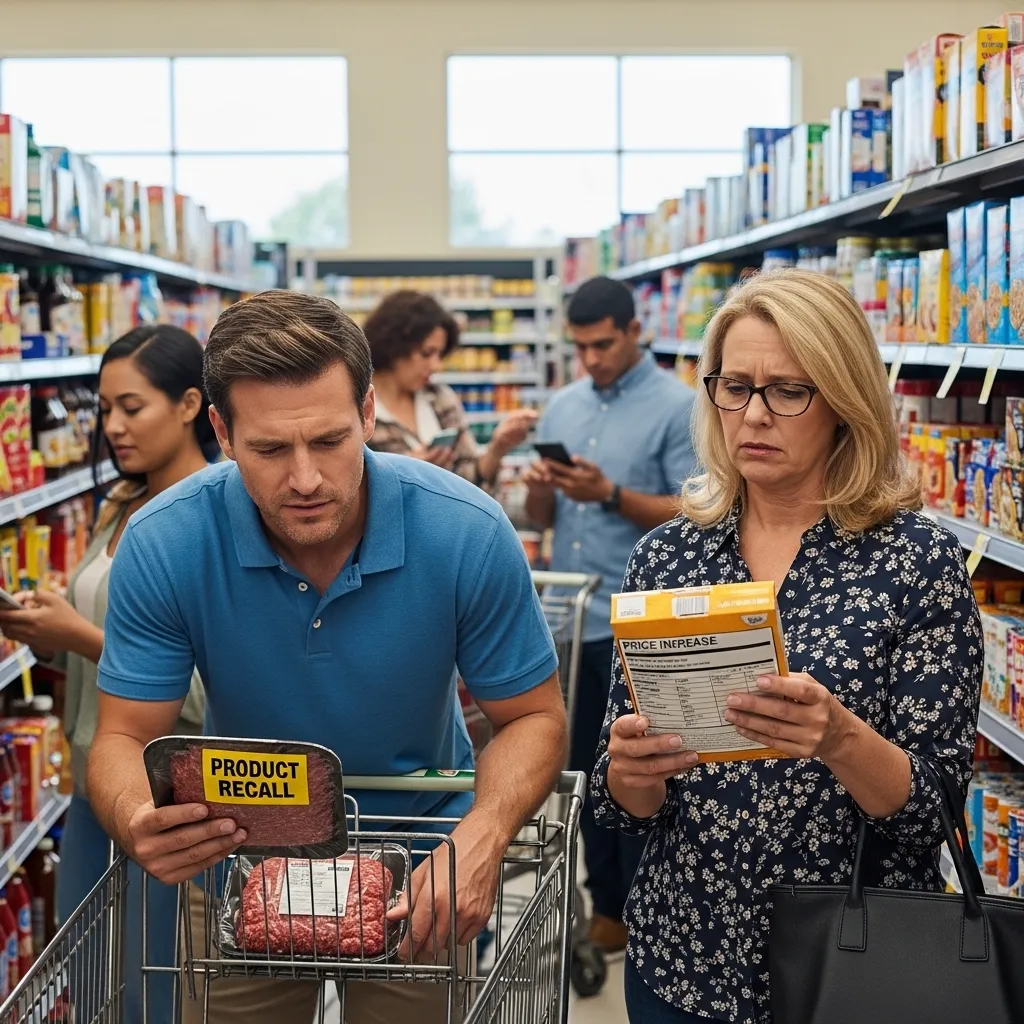
11 American consumers are facing a growing wave of price increases, product recalls, and safety warnings that could affect anything from food and household items to children’s products and everyday electronics. Being aware of these trends isn’t just smart — it can help protect your family’s health, finances, and peace of mind.
In this consumer alert, we’ll break down the latest issues U.S. shoppers should know about now — including where price pressures are coming from, the surge in recall activity across industries, dangerous products still on store shelves, and how to stay safe when buying products online or in stores.
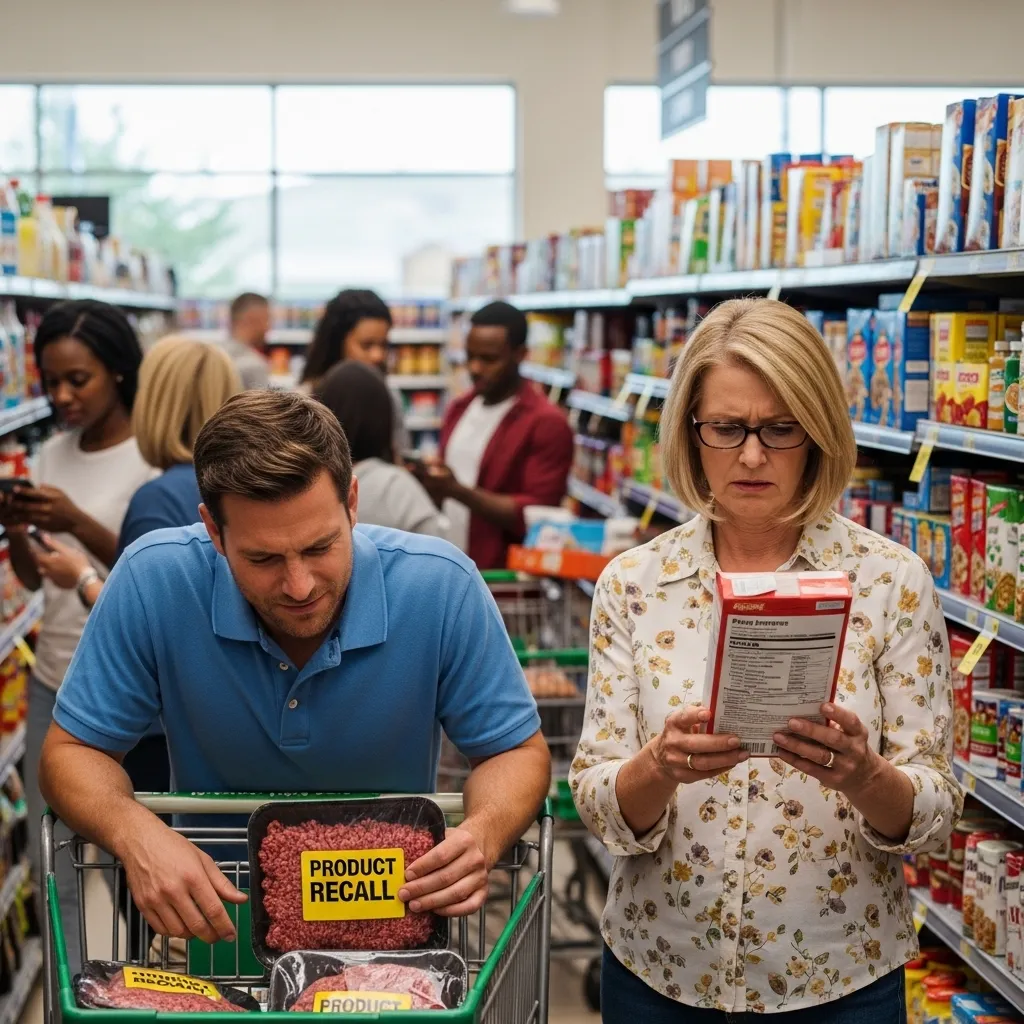
Many Americans have noticed that the price tags on everyday items are steadily increasing — from groceries and household goods to electronics and personal care products. While there’s no single cause, several forces are contributing:
Higher tariffs and increased production costs (such as raw materials and transportation) are being passed to consumers at the checkout. These cost pressures were highlighted in recent economic research showing that import tariffs alone can add roughly 1–2% to food prices in the short and long term, increasing the total cost of groceries across the U.S. food supply chain. (Center for American Progress)
Some retailers and manufacturers raise list prices in advance of promotions or “sales,” and then use discount tags that make the net cost feel lower than it actually is. Although it’s a common marketing strategy, it can make it harder for shoppers to spot real savings and avoid paying more than necessary. (Reddit)
These price increases matter because they shrink household budgets, forcing families to reconsider what they buy — or pay more for the same goods they’ve always used.
Across the U.S., product recalls and safety alerts are on the rise, spanning food, pet supplies, home goods, and more. According to recent safety reporting, the number of recalls and defective units reported last year rose significantly, signaling that consumers should remain vigilant about what’s in their homes. (Morningstar, Inc.)
Here are some of the most recent recall concerns that Americans should be aware of:
The U.S. Food and Drug Administration lists multiple recent food and beverage recalls — such as BBQ sauces undeclared allergens, pet foods with nutrient issues, and dairy products with pasteurization problems — due to contamination risks. (U.S. Food and Drug Administration)
Major retailers like Walmart and Sam’s Club have posted recalls for a wide range of child safety hazards — including bicycle helmets that fail impact standards, baby self-feeding pillows linked to suffocation risks, and safety gates that can entrap children. (Walmart News & Leadership)
Other recalls include pool products with drowning hazards, steamers that can cause burns, bike gear with severe injury risk, and e-bike components with latch failures. (Walmart News & Leadership)
These recalls underline the importance of checking recall lists regularly (see the recall pages on retailers’ and federal government sites) and removing affected products immediately if you own them.
It’s not just recalls — safety warnings are being issued for products that remain on shelves but pose serious risks.
Recent safety warnings from the U.S. Consumer Product Safety Commission (CPSC) note that certain pressure cooker lids may open unexpectedly while pressurized, leading to hot contents spraying out and causing severe burns. That’s a hazard many households need to know if you use these devices. (WBAL)
High-powered magnets, often sold as “magnet sets” for building or play, are associated with serious injuries when swallowed, particularly by children. Medical treatment is often required, and federal safety standards have been updated to reflect these dangers. (U.S. Consumer Product Safety Commission)
Investigations have found banned or restricted baby gear and children’s products still being sold online, including padded crib bumpers and water beads that can cause life-threatening blockages if ingested. Regulators continue to press sellers and platforms to remove these items — but it also means shoppers need to be cautious. (Consumer Reports)
Here are practical steps U.S. buyers should follow when shopping — especially online or at discount stores:
Especially on marketplaces like Amazon, Temu, or Walmart.com, make sure the product you’re considering is not on a recall list and meets U.S. safety standards. (Consumer Reports)
Some third-party sellers list unsafe or non-compliant products. If a deal seems unusually cheap, research its safety history before purchasing.
If a product you own has been recalled, contact the retailer or manufacturer promptly to find out how to receive a refund or a safe replacement.
Not all recall notices or safety warnings are legitimate. Scammers sometimes send fake texts or emails claiming your product has been recalled or requires urgent action — often to trick you into clicking bogus links. Verify recall information only through official government recall pages and avoid engaging with suspicious messages. (Reddit)
1. What is a product recall?
A recall means a product has safety concerns that could cause harm, and manufacturers or regulators are removing or fixing those products. (U.S. Food and Drug Administration)
2. Why do recalls seem to be increasing?
Recent reports show year-over-year growth in recall events and defective units, signaling heightened regulatory activity and transparency. (Morningstar, Inc.)
3. Are all recalls dangerous?
Some recalls are precautionary, but others address real safety hazards that could lead to injury or illness. Always take them seriously.
4. Can recalled products still be sold online?
Yes — especially on third-party marketplaces — which is why consumers should verify products before buying. (Consumer Reports)
5. How can I stay updated on recalls?
Sign up for alerts from official recall sites and follow trusted news sources.
6. Should I throw out a recalled product immediately?
Yes — especially if the recall involves a safety hazard. Follow instructions from the recall notice.
7. Do warranties cover recall issues?
Not always — warranties are separate from recalls. Recall fixes are typically free.
8. Are food recalls serious?
Yes — food recalls often relate to contamination, undeclared allergens, or other health risks. (U.S. Food and Drug Administration)
9. How often should I check recall lists?
Make it part of your routine — at least monthly or when purchasing new products.
10. Is there a centralized place for all recalls?
Government recall sites like CPSC.gov and FDA.gov provide centralized alert lists.