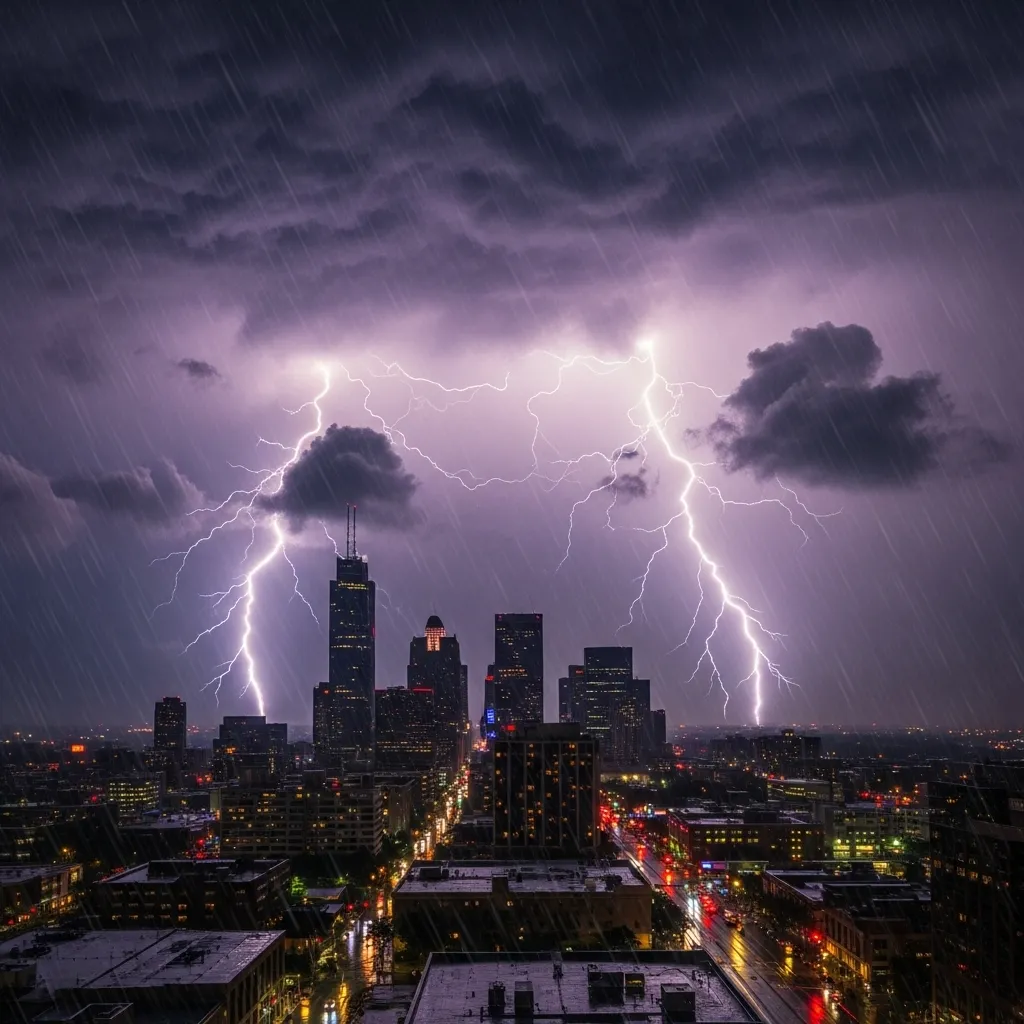
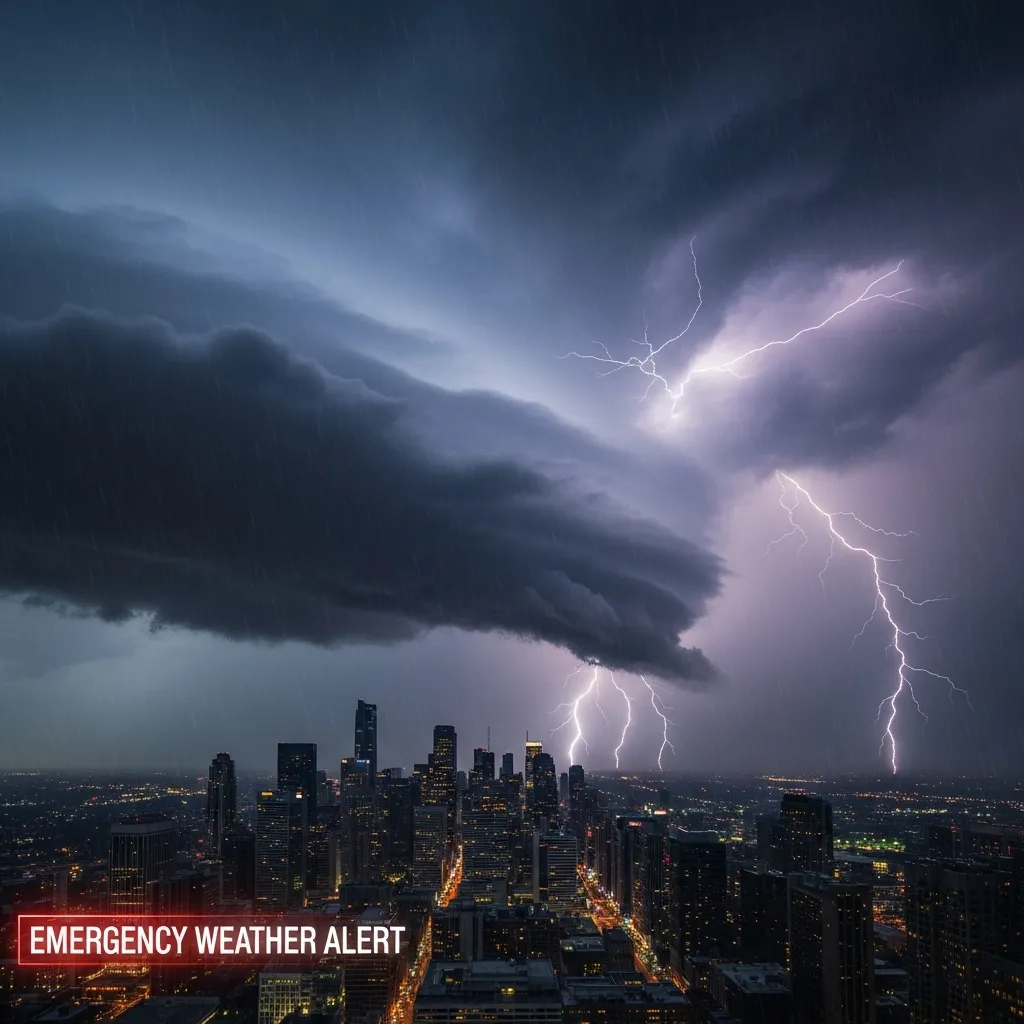
Across the United States, severe weather and climate-related hazards are increasing in both frequency and intensity, affecting millions of Americans from coast to coast. As spring approaches and weather patterns shift, communities in the South, Midwest, Plains, and Northeast are bracing for a range of threats—powerful storm systems, heavy rainfall and flooding, extreme winter blasts, drought-driven wildfires, and more.
Understanding these risks and how they affect everyday life—from safety and travel to insurance costs and home preparedness—is essential for families, workers, and local leaders.
In this report, we’ll break down the latest weather warnings, emerging climate trends, and what Americans should know as the U.S. heads into an active storm and climate risk period.
Active Weather Patterns Threaten Multiple Regions
Spring Severe Weather Outlook
Forecasters are anticipating an active severe weather season this spring. While the number of tornadoes predicted in 2026 may be slightly lower than recent years, the risk of damaging winds, heavy rainfall, and flash flooding remains high across parts of the Midwest, Plains, and Mississippi Valley. AccuWeather forecasts between 1,050 and 1,250 tornadoes across the U.S., close to long-term averages, but warns that one powerful storm striking a vulnerable area can still be devastating. (AccuWeather)
Storm systems riding a shifting jet stream are expected to produce repeated rounds of rain, thunderstorms, and potentially severe weather from Texas into the Great Lakes and Ohio Valley throughout early March, raising concerns for flooding in some communities even as others remain dry. (AccuWeather)
Extreme Winter and Cold Weather Events Continue
Despite the seasonal transition toward spring, unusual and intense winter conditions have struck parts of the country. In late February 2026, the Northeast and Mid-Atlantic were hit by a historic blizzard—sometimes referred to in media as “Winter Storm Hernando”—which dropped 2 to 3 feet of snow across major cities, produced hurricane-force wind gusts approaching 100 mph, and left more than 600,000 people without power in multiple states. (Wikipedia)
Additionally, a strong Nor’easter rapidly intensified through a process called “bombogenesis,” prompting widespread travel bans, utility outages, and emergency warnings from Virginia to Maine. (TIME)
Survey data also shows that a growing number of Americans report personal experiences with extreme cold and winter weather disruption, including cancelled work and school and higher utility costs. (National Today)
Wildfire and Drought Threats in the South and West
As climate patterns continue to behave unpredictably, other regions are facing opposite extremes. In South Florida, extremely dry conditions—the worst drought in more than two decades—have helped fuel wildfires that have already consumed tens of thousands of acres. (New York Post)
In the western U.S., a “snow drought”—where precipitation falls as rain instead of snow due to unusually warm temperatures—has resulted in historically low mountain snowpack levels. This raises concerns for water supply, river flows, agriculture, and wildfire risk later in the season. (Drought.gov)
How Climate Change Is Amplifying Weather Risks
Scientists and climate analysts emphasize that ongoing climate change is altering the behavior of storms and long-term weather patterns, even if individual events have unique causes.
A growing body of research suggests that:
More frequent and intense precipitation events can lead to flash floods and infrastructure stress.
Warmer air holds more moisture, fuelling stronger storms and heavier snowfall when cold air is present.
Shorter winters, combined with sudden severe cold blasts, reflect disruptive climate variability. (The Guardian)
One analysis projects that U.S. weather and climate disasters could exceed $1 trillion in damages between 2026 and 2030, with severe storms, wildfires, and floods contributing to that total. These trends underline the economic and personal impacts rising climate risks can have nationwide. (Reddit)
Regional Impacts: What Americans Are Facing
Northeast and Mid-Atlantic
Record snowfall, wind damage, and power outages during late-winter blizzards. (Wikipedia)
Increased disruption to travel, education, and daily routines.
Midwest and Plains
Multiple rounds of storms and heavy rain expected through early March. (AccuWeather)
Persistent tornado risk, though the annual count may be slightly lower than last year. (AccuWeather)
South and Southeast
Drought-driven wildfires breaking out in Florida. (New York Post)
Severe weather potential extends into parts of the Mississippi Valley.
Wildfire risk often elevated when dry, warm conditions prevail.
What This Means for Everyday Americans
Personal and Property Preparedness
With volatile weather patterns becoming more common, families and individuals can take steps to improve safety and reduce risk:
Stay weather alert: Sign up for emergency alerts from the National Weather Service and local authorities.
Emergency kits: Keep essentials like water, food, flashlights, batteries, and medical supplies ready.
Home resilience: Reinforce roofs, secure outdoor objects, and consider flood-proofing or wildfire defensible space measures.
Insurance checks: Review coverage for storms, floods, and fire—many standard policies don’t automatically include all perils.
Economic and Infrastructure Impacts
Severe weather events don’t just threaten safety—they also stress regional economies and infrastructure. For example:
Utility outages can disrupt work and heating or cooling.
Road closures and transit interruptions affect commuting and commerce.
Flooding and storm damage can impose costly repairs on homeowners and municipalities.
Because of these impacts, investment in climate resilience and modern infrastructure is increasingly discussed in national and state policy circles.
Looking Ahead: Climate Trends and Weather Preparedness
Continued shifts in U.S. climate and weather patterns suggest Americans should prepare for a wider range of extreme events throughout the year, including:
Active severe storm seasons with heavy rainfall and damaging winds.
Sudden blizzards or winter weather amid broader warming trends.
Extended droughts followed by wildfire risk.
Rising flood risks from intense precipitation events.
Staying informed and proactive is key—not only to personal safety but also to community resilience and long-term wellbeing.
Common Questions About Severe Weather and Climate Risks
Are severe storms becoming more frequent? Climate trends indicate that many types of extreme weather are intensifying across the U.S., though patterns can vary by region and season. (Reddit)
Why do we still get big winter storms if winters are getting shorter? A warming climate can create more volatile shifts in temperatures, which can fuel intense storms even amid an overall trend toward milder winters. (The Guardian)
What’s the difference between a weather warning and an advisory? Warnings signal imminent dangerous conditions requiring immediate action, while advisories indicate potentially hazardous conditions that merit caution.
Should I be worried about my home insurance costs? In many regions with rising climate risks, insurance premiums can increase due to greater claims exposure.
How can I stay updated on local weather threats? Use official sources like the National Weather Service, local emergency management agencies, and trusted news outlets.
Are tornadoes predicted to be more frequent this year? Forecasts suggest a near-average number of tornadoes, but risk remains high due to damaging winds and heavy rain. (AccuWeather)
Can climate change affect drought and wildfire patterns? Yes—warmer temperatures and disrupted precipitation patterns can lead to more severe droughts, which in turn elevate wildfire risk. (Drought.gov)
What should I do during a severe storm? Follow safety protocols: seek shelter, avoid travel, and monitor emergency alerts.
Are floods becoming more common? Heavy rainfall events can cause flooding even in areas not typically prone to floods, especially where storm systems stall or produce repeated rain. (AccuWeather)
Is climate change behind all these events? While no single weather event can be attributed solely to climate change, scientists agree that global warming is influencing the frequency, intensity, and patterns of extreme weather.
 1
1